Expert Guide for Delavan Gutter Cleaning
The Significance of Gutter Cleaning: Protect Your Home From Water Damage
Cleaning gutters plays an essential role in shielding homes from potential water-related damage. Obstructed gutters may cause a range of issues, such as mold formation and structural decline. A large number of homeowners disregard this critical maintenance responsibility, often ignorant of the outcomes. Recognizing the indicators of blocked gutters and the significance of routine maintenance can help avoid expensive repairs. Property owners may seek guidance on what actions they can pursue to confirm their gutter systems perform reliably.
The Importance of Gutter Cleaning for Home Protection
Gutter maintenance acts as a critical safeguarding practice for homeowners looking to protect their property. By ensuring that gutters are free from debris, homeowners can ensure rainwater drains correctly away from the home's base. This process works to eliminate water buildup, which can cause landscape erosion and significant structural harm. Furthermore, well-maintained gutters reduce the chances of mold and mildew development, which can affect both the home's integrity and the health of its occupants. Regular maintenance also extends the lifespan of the gutter system, reducing the likelihood of costly repairs or replacements. Furthermore, well-maintained gutters preserve the integrity of landscaping by guiding water runoff clear of plants and garden beds. In the end, regular gutter maintenance is not simply a task but an essential approach in maintaining the overall health and longevity of a home, guaranteeing that it continues to be thorough guide a secure and welcoming space for its occupants.
Common Problems Caused by Clogged Gutters
Blocked gutters may cause serious water-related damage, threatening the overall stability of a residence. Furthermore, stagnant water becomes a breeding ground for pests, heightening the chances of unwanted infestations. With time, such problems may lead to foundation deterioration, creating major structural vulnerabilities.
Water Damage Hazards
Failing to perform regular maintenance can result in serious water damage risks for homeowners. Clogged gutters can cause water to overflow, eroding the soil around the foundation. Such erosion can weaken the structural soundness of the home, causing significant repair costs. Additionally, water may seep into the basement or crawl space, resulting in mold growth and deterioration of building materials. Roof leaks may also occur when water accumulates, inflicting damage on roofing systems and interior ceilings. Furthermore, pooling water in gutters can encourage ice dam buildup in colder climates, intensifying roof and gutter damage. Mitigating these hazards through routine gutter cleaning is vital for preserving a safe and structurally sound home.
Pest Infestation Concerns
Clogged gutters establish an ideal setting for various pests, converting homes into hotspots for undesirable pests. Stagnant water pooled in clogged gutters attracts mosquitoes, which can breed rapidly in these conditions. Furthermore, the buildup of natural debris, such as leaves and twigs, offers shelter and food for insects and rodents like ants and termites. These creatures can quickly make their way inside, looking for shelter and sustenance. Furthermore, birds could build nests in the accumulated debris, making matters worse. The presence of these pests not only poses health risks but can also lead to property damage, as they may chew through wiring or insulation. Consistent gutter cleaning is vital to prevent these infestations and safeguard the home.
Foundation Erosion Issues
Gutters are critically important in directing rainwater away from a home's foundation. When gutters are obstructed, they are unable to carry out this important role, leading to significant water accumulation around the base of the house. This accumulated water can penetrate the ground, causing progressive deterioration of the foundation. The erosion can weaken the structural integrity of the home, resulting in cracks and shifting that may require costly repairs. Additionally, stagnant water can become a fertile environment for mildew and mold, further threatening the foundation's integrity. Routine gutter maintenance is necessary to guard against these concerns and maintain the overall health of the property, ensuring that the foundation is kept stable and defended against water damage.
How to Spot When Your Gutters Are Clogged
What are the signs that a homeowner's gutters are blocked? A obvious sign is water overflowing during heavy rain. When water cascades over the edges rather than draining through the downspouts, a clog is probably the cause. Furthermore, homeowners should check for the buildup of debris, including leaves and branches, both within the gutters and at the downspout entrances. A further warning sign is the development of water stains or mold growth on the home's exterior walls, hinting that water is not being redirected as it should be. Additionally, the growth of plants or weeds within the gutters serves as a clear sign of standing water. Finally, a noticeable increase in insect activity around the gutters can also suggest clogs, as standing water attracts pests. Routine checks following periods of heavy rain can assist in detecting these problems at an early stage.
How Often Should You Clean Your Gutters: What You Need to Know
Clogged gutters can lead to significant water damage and other issues if not addressed promptly. Homeowners should prioritize regular gutter cleaning to prevent such problems. How often cleaning is advised generally relies on the local environment and nearby tree coverage. For homes in heavily wooded areas, cleaning every three to four months is advisable, as leaves and debris accumulate quickly. On the other hand, homes surrounded by fewer trees may need attention just two times annually.
Seasonal changes also play a role; maintenance is especially critical in spring and fall when debris buildup is at its peak. In addition, property owners should examine their gutters after major weather events, as heavy rains and winds can dislodge materials. By maintaining a steady cleaning schedule, homeowners can shield their home from water damage and maximize the longevity of their gutters. Routine upkeep ultimately supports the long-term well-being of the entire home.
Cleaning Your Gutters: Step-by-Step Guide
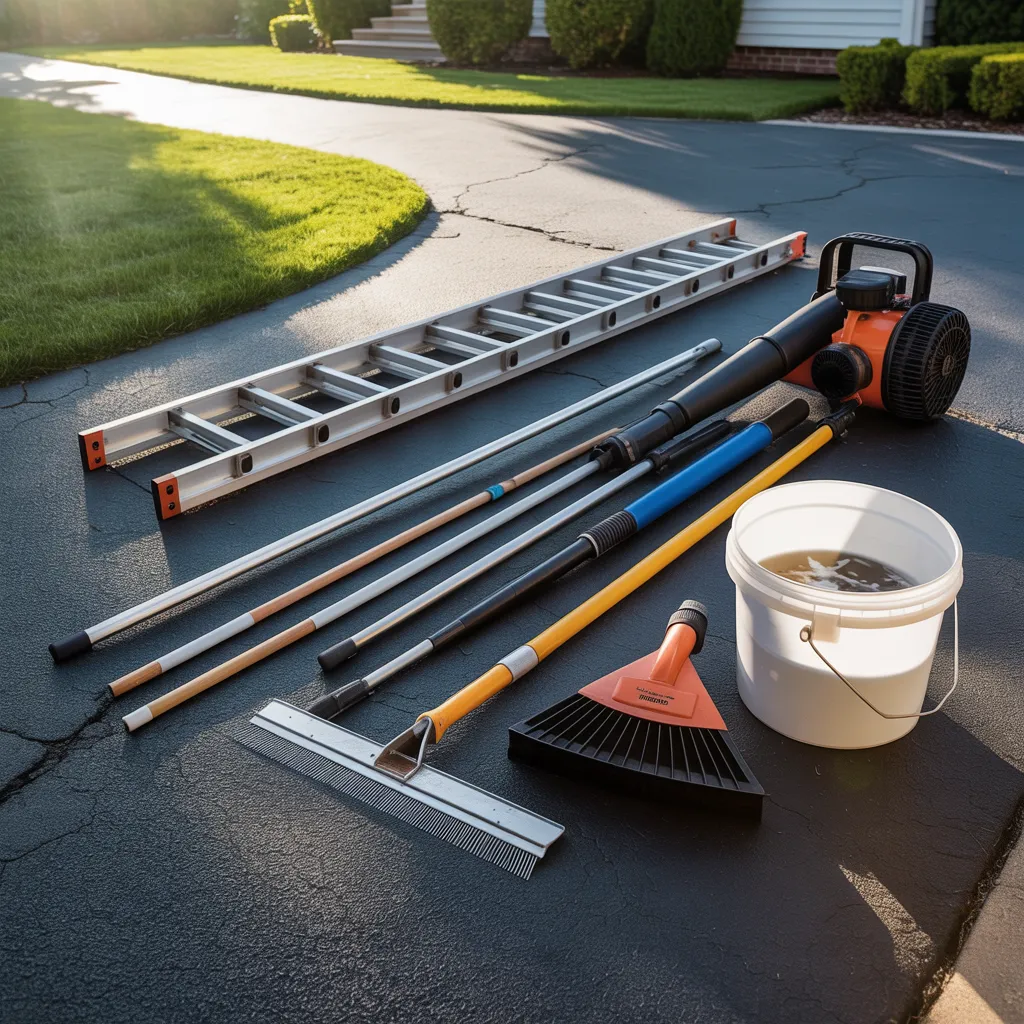
Maintaining clean gutters requires a systematic approach to guarantee thorough debris removal and prevent water damage. Initially, the homeowner should gather the necessary tools: a stable ladder, gloves, a trowel, a bucket, and a garden hose. Safety is essential; positioning the ladder on a flat surface is essential.
Following this, the individual should go up the ladder and begin removing leaves, twigs, and accumulated debris using the trowel. Putting the debris into the bucket keeps the work area clean. Once the gutters have been cleared, it is important to flush them with water from the garden hose to ensure proper drainage and identify any clogs.
Lastly, the downspouts ought to be reviewed and cleared as necessary. This thorough approach not only optimizes the efficiency of the gutters but also safeguards the home from potential water damage, making periodic maintenance a vital duty for homeowners.
Should You Hire Pros for Gutter Cleaning?
When considering gutter care, many people consider whether hiring professionals is the most practical solution. Most homeowners face a decision between taking a DIY approach or enlisting expert help. Expert companies often deliver a thorough and efficient cleaning, guaranteeing gutters stay unobstructed and functioning properly. Professionals come prepared with specialized tools and safety gear, lowering the likelihood of mishaps associated with ladder work.
Moreover, professionals can identify potential issues, such as corrosion or structural misalignment, that an inexperienced person may fail to notice. This forward-thinking strategy can save significant money on repairs later on. That said, the choice may also depend on personal circumstances, such as time availability and comfort with heights.
At the end of the day, gauging your own skills and the difficulty of the guttering system can inform the decision. For those questioning their expertise or personal safety, bringing in experienced contractors can be a wise investment in maintaining a home's protection against water damage.
Economic Advantages of Routine Gutter Upkeep
Consistent gutter care delivers significant financial advantages for property owners. By preventing costly repairs related to water damage, maintaining gutters can also enhance property value over time. Furthermore, a properly maintained gutter system could result in reduced insurance premiums, further benefiting homeowners financially.
Avoid Expensive Repairs
Ensuring gutters remain clear can protect homeowners from considerable costs down the road. Blocked gutters may result in overflow, allowing water to penetrate the foundation, walls, and roof. Such water damage can lead to costly repairs that greatly surpass the expense of regular gutter upkeep. Mold formation, wood rot, and structural harm are prevalent concerns resulting from overlooked gutters, frequently demanding expert attention. Additionally, water pooling around the home can compromise landscaping and driveways, leading to further expenses. By dedicating time and effort to routine gutter maintenance, homeowners can prevent these expensive repairs, keeping their property in excellent shape and reducing financial pressure. Proactive maintenance ultimately serves as a safeguard against unforeseen repair costs.
Increase Property Value
Prioritizing routine gutter upkeep can significantly boost a property's worth. Gutters that are regularly serviced efficiently direct rainwater away from the foundation, lowering the likelihood of water-related problems that may deter potential buyers. A property with clean, functional gutters conveys a more positive impression, indicating that the homeowner takes pride in maintenance. This forward-thinking strategy can lead to higher resale values, as buyers are often ready to spend extra for homes demanding less immediate work. Additionally, regular maintenance serves to maintain the structural integrity of the home, which is a key consideration in real estate appraisals. Ultimately, routine gutter servicing not only shields the structure but also acts as a smart financial decision in its long-term financial appreciation.
Save on Insurance Premiums
Regular gutter upkeep can lead to considerable discounts on insurance premiums. Insurers often assess risk based on home maintenance standards; neglected gutters can result in moisture damage, mold formation, and foundational concerns, which may increase the likelihood of claims. By ensuring gutters are clean and functional, residents lower the likelihood of serious moisture-related issues, making their properties more attractive to insurers. This forward-thinking strategy not only limits possible deterioration but also demonstrates responsible homeownership, which a number of providers recognize through discounted premiums. As time passes, these reductions can add up, offsetting the costs associated with regular maintenance. In the end, keeping gutters in top condition functions as both a safeguard and a smart financial move for property owners.
Gutter Cleaning and Additional Key Home Protection Advice
A well-maintained home relies on a few essential protective steps, gutter cleaning being a particularly vital responsibility. Clogged gutters can lead to water overflow, resulting in serious harm to the roof, siding, and foundation. Regular cleaning guarantees proper drainage and prevents costly repairs.
Alongside gutter maintenance, homeowners should check their roofs for deteriorated or missing shingles, as these can allow leaks to develop. Installing proper insulation helps control indoor temperatures, preventing ice dam accumulation throughout colder months. Moreover, weatherproofing windows and doors reduces draft exposure and moisture penetration, improving overall energy efficiency.
Homeowners ought to also explore landscaping techniques, such as sloping soil away from the foundation, to manage water runoff. Regularly checking and cleaning downspouts can further protect against blockages. By integrating gutter cleaning with these key home protection strategies, homeowners can greatly lower the risk of water damage and copyright the overall integrity of their property.
Questions We Often Receive
Can Regular Gutter Cleaning Help Prevent Pest Infestations in My Home?
Absolutely, gutter maintenance can reduce the risk of pest infestations in households. By clearing away debris that draws in insects and rodents, homeowners minimize likely nesting sites and secure proper drainage, consequently creating a less inviting environment for unwanted pests.
In What Ways Do Various Climates Impact Gutter Cleaning Frequency
Different climates necessitate varying gutter cleaning frequencies; regions with heavy rainfall or foliage require more frequent maintenance, while dry climates tend to need less routine maintenance. Seasonal changes also influence debris accumulation, impacting cleaning schedules accordingly.
What Equipment Do I Need for DIY Gutter Cleaning?
When cleaning gutters yourself, essential tools include a reliable ladder, protective gloves, a trowel for clearing out debris, a bucket for collecting debris, and a standard garden hose for flushing out the gutters. Additional tools can improve both safety and efficiency, like a gutter scoop.
What Seasonal Considerations Should You Keep in Mind for Gutter Maintenance?
Seasonal considerations for gutter maintenance encompass inspecting after heavy storms, removing accumulated debris during spring and fall, and inspecting for ice dams during the winter months. Regular assessments guarantee gutters perform effectively across all weather conditions, preventing potential damage.
How Do I Make My Gutters Last Longer?
Periodic inspections and cleanings, combined with the application of protective coatings, can substantially prolong gutter longevity. Ensuring proper installation, utilizing high-quality materials, and sustaining effective drainage further support their lifespan and resilience against the elements.